
If you’re looking to get certified for biohazard cleaning, it’s essential to understand the necessary training and standards involved. You’ll need to enroll in accredited programs that cover key topics like bloodborne pathogens and PPE use. After completing the required coursework, you’ll face exams to obtain your certification. However, there are additional factors to take into account, such as regulatory requirements and ongoing education. Let’s explore these aspects to guarantee you meet all necessary qualifications.
Understanding Certification Types and Standards
When you’re considering a career in biohazard cleaning, understanding the various certification types and standards is essential for guaranteeing compliance and safety. Certifications like GBAC and IJCSA focus on biohazard remediation and crime scene cleanup, emphasizing the certification importance for professionals in this field. The Bloodborne Pathogens Certification is mandatory for handling infectious materials, while OSHA training provides a foundational understanding of workplace safety. Adhering to industry standards, such as those set by IICRC, guarantees you follow recognized best practices. Additionally, certifications help you comply with local laws, enhancing your credibility with clients. By obtaining the proper certifications, you not only guarantee safety but also differentiate your business in a competitive market, paving the way for growth and opportunity.
Training Program Components
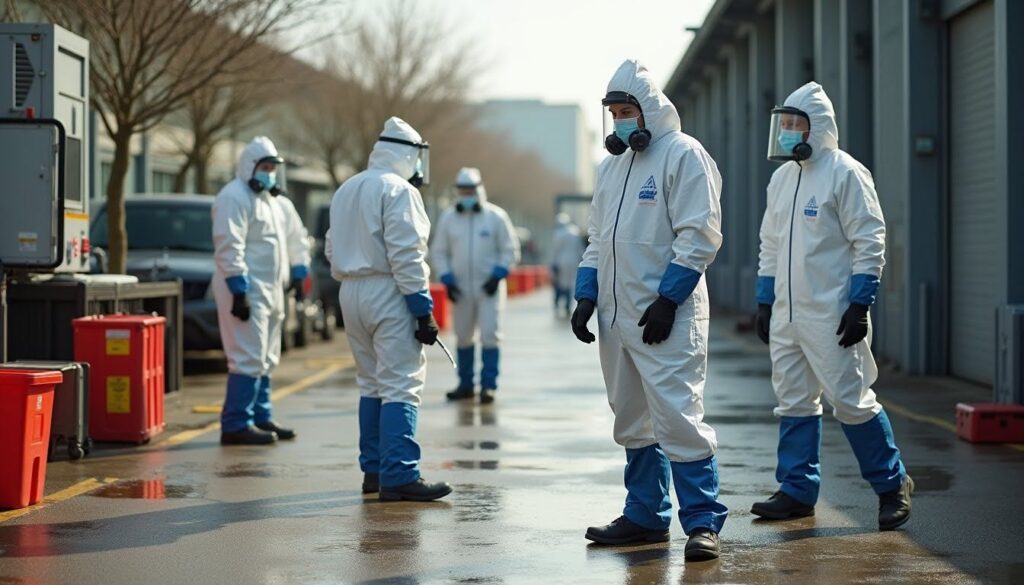
Four key components form the backbone of effective biohazard cleaning training programs. First, you’ll learn core biohazard cleanup procedures, focusing on risks from bloodborne pathogens and proper decontamination methods following CDC and OSHA guidelines. Second, personal protective equipment (PPE) training emphasizes selection, correct use, and disposal to avoid cross-contamination. Third, hazard communication and safety protocols guarantee you understand chemical risks and compliance with OSHA standards. Finally, hands-on training is essential; you’ll engage in practical exercises that involve specialized equipment use for cleaning, disinfecting, and waste containment. This practical skill development helps you assess sites, manage exposure risks, and document projects effectively, guaranteeing you gain the necessary competency for biohazard remediation.
Regulatory and Legal Requirements
Understanding the regulatory and legal requirements for biohazard cleaning is essential for guaranteeing compliance and protecting both workers and the public. You must comply with OSHA standards, such as the Bloodborne Pathogens Standard, which mandates an exposure control plan and employee training. Familiarize yourself with EPA regulations, including the Resource Conservation and Recovery Act, to guarantee proper handling and disposal of biohazard waste. Pay attention to state regulations that may impose additional certification or licensing requirements, particularly for specialized cleaning tasks. Regular compliance audits will help you identify any gaps in your procedures. Adhering to these legal frameworks not only safeguards your operations but also mitigates the risk of significant fines and legal repercussions.
Eligibility and Prerequisites
Meeting the regulatory and legal requirements sets the groundwork for pursuing certification in biohazard cleaning, but it’s equally important to clarify your eligibility and prerequisites. While no formal education is necessary, you need specialized training, particularly in biohazard handling and safety protocols. Emotional resilience is essential, as the job often exposes you to traumatic scenes that can take an emotional toll. Good physical health is also important due to the physically demanding nature of the work. Many employers may conduct background checks, so be prepared. Training programs often cover essential skills like PPE use and decontamination techniques, providing certification benefits that enhance your qualifications in this challenging field.
Certification Process and Course Providers
As you begin the journey to become certified in biohazard cleaning, it’s important to navigate the certification process effectively. Start with course selection by identifying programs that include core modules on biohazard cleanup principles, safety protocols, and regulatory compliance. Compare providers like the IICRC, ABRA, and IJCSA, each offering different specializations and formats, such as online or in-person training. Be prepared for both written and practical exams to demonstrate your skills. Remember, certifications have a limited validity period, so staying current with continuing education is significant. Make sure you’re familiar with OSHA compliance and local regulations, as these are crucial for your professional credibility and operational standards in the biohazard cleaning industry.
Practical and Safety Considerations
While maneuvering through the complexities of biohazard cleaning, you’ll need to prioritize practical and safety considerations to protect yourself and others. Make sure you wear appropriate personal protective equipment (PPE) like gloves, gowns, and respirators, following proper donning and doffing procedures to minimize contamination risk. Conduct thorough hazard assessments to identify biohazards and select suitable cleaning methods. Establish clean and contaminated zones to prevent cross-contamination, and use EPA-approved disinfectants according to specified guidelines. Incorporate training on stress management and provide debriefing sessions to support worker wellness after challenging jobs. Finally, maintain communication and teamwork protocols to enhance safety and efficiency, ensuring you’re prepared for any situation that arises during biohazard cleanup.
Maintaining Certification and Continuing Education
To maintain your biohazard cleanup certification, it’s vital to stay proactive about continuing education and compliance with industry standards. Most certifications, such as IICRC, require renewal every 3 to 4 years, so be mindful of renewal deadlines. You’ll need to submit a completed application, renewal fee, and proof of continuing education hours. Engaging in workshops or online courses helps you earn those credits while keeping your skills current. Also, make certain your documentation is ready for compliance audits, including training records and proof of proper medical waste disposal if applicable. Regular refresher training on protocols is essential for adhering to OSHA standards and maintaining your certification’s validity, ultimately supporting your ability to respond effectively to biohazard threats.
Frequently Asked Questions
What Is the Average Duration of Biohazard Certification Courses?
Biohazard certification courses typically last from 1.5 hours to 20 hours, depending on course formats and certification providers. Short courses are often self-paced, while intensive programs demand more time and effort for completion.
Are There Age Restrictions for Specific Biohazard Certifications?
Yes, age eligibility typically requires candidates to be at least 18 years old for biohazard certifications. This prerequisite guarantees participants possess the maturity needed to handle dangerous materials and high-stress situations effectively.
How Often Do Certifications Need to Be Renewed?
Certifications typically require renewal every three to five years, depending on the type. To maintain certification validity, stay informed about renewal frequency and complete necessary refresher courses before expiration to avoid lapses in your credentials.
Can I Transfer My Certification to Another State?
You can’t always transfer your certification due to varying state regulations. Check each state’s requirements, as private certifications may not be recognized universally, and you might need retraining or additional permits for compliance.
Are There Financial Aid Options for Certification Courses?
Yes, you can explore financial assistance options like course scholarships from organizations such as NASP. While specific biohazard cleaning scholarships are limited, general safety training aid may help if your course includes OSHA content.


