

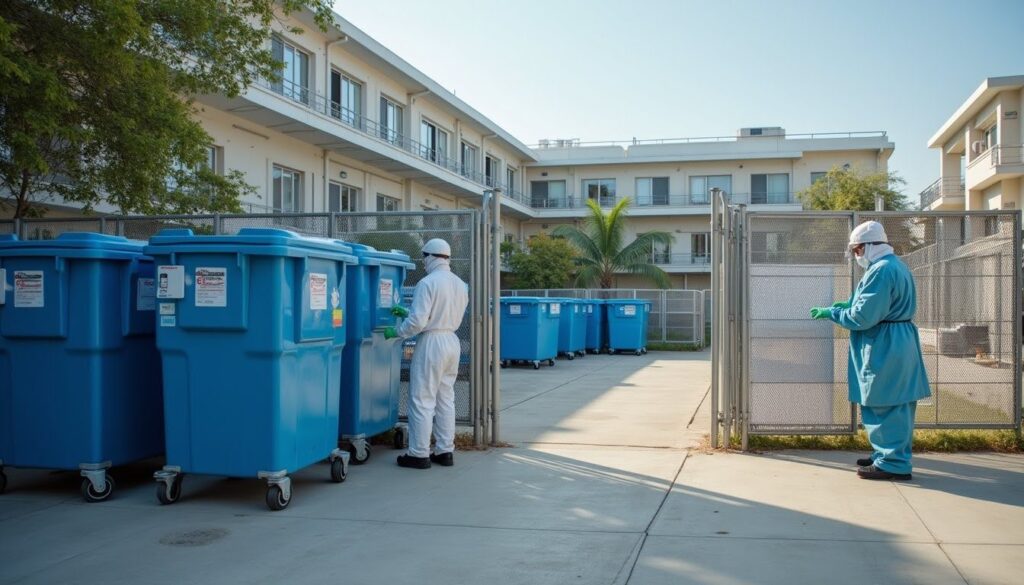
When disposing of a biohazard specimen, you must follow strict guidelines to guarantee safety and compliance. Start by collecting the specimen in a sterile, leak-proof container, clearly labeled with patient identifiers. Transport it in a biohazard bag, maintaining proper temperature. Each step, from collection to treatment, is essential for minimizing health risks. But what methods should you use to treat this waste effectively?
Understanding Biohazardous Waste Regulations
When you handle biohazardous waste, it’s essential to understand the complex web of federal and state regulations that govern its management. The Resource Conservation and Recovery Act (RCRA) generally excludes medical waste from hazardous classifications; however, individual states impose strict requirements for biohazard classification. Regulatory compliance is vital, as the Occupational Safety and Health Administration (OSHA) mandates specific handling and storage protocols under 29 CFR 1910.1030. States like Arizona provide detailed administrative codes that outline the packaging, labeling, and disposal of biohazardous waste. Disposal methods must align with federal, state, and local regulations, ensuring that select agents and infectious microorganisms undergo proper inactivation before disposal. Adhering to these regulations protects both public health and the environment.
Identifying Different Types of Biohazard Specimens
Understanding the various types of biohazard specimens is essential for effective waste management. Proper specimen identification falls under specific biohazard classifications, ranging from BSL-1 to BSL-4 based on the risk level they pose. Infectious agents like Bacillus subtilis are low-risk, while E. coli and HIV present moderate risks. More dangerous pathogens, such as Mycobacterium tuberculosis, fall under BSL-3, and Ebola is classified as BSL-4. You should also consider microbiological specimens, including cultures and diagnostic samples like blood and body fluids. Additionally, animal waste and contaminated sharps require strict handling protocols. Recognizing these categories guarantees compliance with safety regulations and minimizes exposure risks during disposal.
Importance of Waste Segregation
Effective waste segregation is essential for maintaining safety and regulatory compliance in any laboratory handling biohazardous materials. By implementing waste classification, you guarantee that each type of biohazardous waste—such as sharps, liquid biowaste, and tissue—is managed appropriately. This segregation minimizes the risk of cross-contamination and reduces overall exposure risks for laboratory staff, custodial workers, and waste management personnel. A thorough risk assessment helps identify the specific handling and disposal protocols required for each waste category, aligning with federal and state regulations. Additionally, clear labeling and the use of puncture-resistant containers for sharps enhance safety and compliance. Ultimately, proper waste segregation not only protects individuals but also supports environmentally sustainable disposal practices.
Proper Collection and Containment Practices
Proper collection and containment practices are essential for ensuring the integrity of biohazard specimens and minimizing contamination risks. Start by using appropriate collection techniques, gathering specimens directly from the infection site at ideal times, like early morning for sputum samples. Always collect before antimicrobial treatment begins to preserve pathogen viability. Utilize sterile, leak-proof containers specific to the specimen type, ensuring sufficient quantity for accurate testing. Label each container with two distinct patient identifiers, including the collection date and time, to prevent misidentification. Transport specimens in biohazard bags, maintaining required temperature conditions. Finally, wear appropriate personal protective equipment (PPE) during collection to safeguard both yourself and the specimen’s integrity throughout the process.
Treatment Methods for Biohazardous Waste
When disposing of biohazardous waste, it’s essential to employ treatment methods that effectively neutralize infectious agents while adhering to regulatory standards. Autoclave effectiveness makes it a preferred choice for about 90% of medical waste, utilizing high-pressure steam to guarantee thorough decontamination. However, it might not be suitable for certain pathological wastes. Incineration challenges arise due to its strict air pollution control requirements, but it remains favored for large volumes of infectious waste and animal carcasses, despite being costly. Chemical disinfection and microwave treatment also provide viable alternatives, with each method designed for specific waste types and situations. By understanding these treatment methods, you can guarantee safe and compliant management of biohazardous waste.
Safe Disposal Techniques
Disposing of biohazardous waste requires strict adherence to safety protocols and regulatory guidelines to minimize risks. Utilize innovative technologies for collection and segregation; make certain you’re using red or orange leakproof biohazard bags, filling them no more than 3/4 full. Store waste in designated, labeled areas to prevent contamination. For liquids, treat with a 10% bleach solution before disposal, and never mix with chemicals. When packaging for final disposal, double-bag tissue and carcass waste and securely seal containers. Follow global practices by making sure all containers are free from biohazard symbols before discarding. Always report spills immediately and make certain personnel handling waste are trained in safe disposal techniques. Your diligence keeps everyone safe and compliant.
Documentation and Tracking Requirements
To guarantee compliance with regulatory standards, maintaining accurate documentation and tracking of biohazard waste is essential for all medical waste generators. You must complete and retain detailed records of each disposal activity, including waste types, quantities, and transfer dates. This documentation needs to align with state and federal regulations, such as the Medical Waste Management Act and OSHA standards. Implementing robust tracking systems guarantees a complete chain of custody, identifying all parties involved in the waste’s lifecycle. Remember, you’re required to keep these records for a minimum of three years for inspections. Any incidents, like spillage, must also be documented to facilitate regulatory follow-up and corrective actions, emphasizing the importance of documentation accuracy throughout the process.
Safety Measures for Handling Biohazard Waste
Properly handling biohazard waste is essential for guaranteeing safety and compliance in any medical setting. Adhere to PPE protocols by wearing gloves, masks, gowns, and eye protection to mitigate exposure risks. Always inspect your PPE before use, and replace it if damaged. Segregate waste at the point of generation into sharps, liquids, and solids, using clearly labeled, leak-proof containers. Keep containers closed and avoid overfilling to prevent spills. Regular training is key; verify you’re familiar with identifying biohazardous waste and understand OSHA Bloodborne Pathogens Standards. Use proper donning and doffing techniques to prevent contamination during PPE removal. Finally, document all training activities to maintain compliance and readiness. Following these measures considerably enhances exposure prevention and safety for everyone involved.
Environmental Considerations in Waste Disposal
While many may overlook the environmental implications of biohazard waste disposal, understanding these risks is essential for guaranteeing public safety and ecological integrity. Improper disposal can lead to air pollution, water contamination, and soil pollution, harming wildlife and disrupting ecosystems. Sustainable practices, such as using modern incinerators with filters or opting for autoclaving, minimize environmental impact and reduce harmful emissions. Proper segregation guarantees that only appropriate materials undergo incineration, further protecting the environment. Additionally, sterilization methods can decontaminate waste for safe disposal in regular waste streams. Adhering to these methods not only complies with regulations but also mitigates long-term health risks associated with toxic pollutants, ultimately fostering a healthier planet for all.
Responsibilities of Healthcare Facilities and Laboratories
Healthcare facilities and laboratories play a pivotal role in managing biohazard waste responsibly to safeguard public health and the environment. You must comply with federal, state, and local regulations, like the Medical Waste Management Act of 2017, by registering as a medical waste generator and adhering to reporting requirements. It’s critical to segregate waste at the point of generation, properly labeling infectious waste with biohazard symbols. Developing a Medical Waste Management Plan detailing handling and disposal procedures is also a facility responsibility. Ascertain your staff receives compliance training to handle waste safely, using puncture-resistant containers for sharps and avoiding compactors or trash chutes for untreated waste. This vigilance protects both your team and the community.
Frequently Asked Questions
What Are the Consequences of Improper Biohazard Waste Disposal?
Improper biohazard waste disposal exposes you to legal repercussions and environmental impact. You risk significant fines, harm to public health, and contamination of ecosystems, potentially resulting in long-term ecological damage and diminished community trust in healthcare systems.
How Often Should Biohazard Waste Containers Be Replaced?
You should replace biohazard waste containers when they’re three-quarters full or immediately if damaged. Regular monitoring guarantees compliance with waste management regulations and maintains container lifespan, preventing overflow and reducing exposure risks.
Can I Dispose of Biohazard Waste in Regular Trash?
You can’t dispose of biohazard waste in regular trash due to biohazard regulations. Proper waste management requires using designated containers and following strict disposal methods to guarantee public safety and environmental protection.
What Should I Do in Case of a Biohazard Spill?
If you encounter a biohazard spill, immediately initiate emergency response protocols. Contain the spill using absorbent materials and disinfectants, restrict access, and report the incident to appropriate personnel for further guidance and cleanup.
How Can I Find Licensed Biohazard Waste Disposal Vendors?
To find licensed biohazard waste disposal vendors, check state agency websites for certified lists, verify disposal certifications, and confirm compliance with biohazard regulations. Assess vendor capabilities to guarantee proper handling and environmental adherence.


