
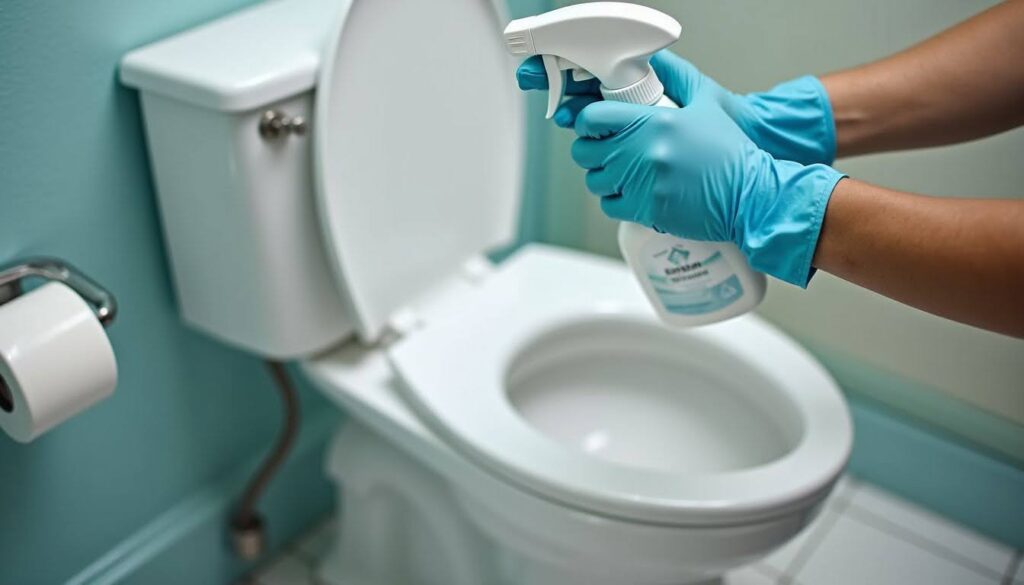
When it comes to effectively killing poop bacteria, not all cleaners are created equal. You need to evaluate both the type of disinfectant and its concentration for ideal results. Chlorine-based disinfectants, particularly sodium hypochlorite, show rapid kill rates against fecal pathogens. However, there are also eco-friendly alternatives that utilize enzymes and beneficial bacteria. Understanding the options available can help you make informed choices for a thorough clean. What’s the best approach for your needs?
Effective Chemical Disinfectants Against Poop Bacteria
When it comes to effectively combating fecal bacteria, choosing the right chemical disinfectant is vital. Chlorine-based disinfectants, particularly sodium hypochlorite, demonstrate significant chlorine efficacy, achieving rapid kill rates against fecal pathogens, including C. difficile spores. These compounds are effective at low concentrations, often requiring minimal contact time for substantial microbial reduction. In contrast, quaternary ammonium compounds (quats) exhibit some quat effectiveness; however, their performance against spore-forming bacteria is generally inferior unless specifically formulated. While quats maintain antimicrobial activity in the presence of organic matter better than some alternatives, they may not provide the same level of assurance as chlorine disinfectants. As a result, selecting the right product based on your specific needs is essential for ideal sanitation.
Natural and Plant-Based Cleaners for Poop Bacteria
While chemical disinfectants like chlorine-based solutions are effective against fecal bacteria, many people are exploring natural and plant-based alternatives that offer a safer cleaning option without compromising efficacy. Natural enzymes and probiotic formulations utilize beneficial bacteria to digest organic matter, effectively neutralizing harmful pathogens and odors without harsh chemicals. These eco-friendly options are safe for both pets and humans, making them ideal for bathrooms and litter boxes. Additionally, essential oils with antimicrobial properties can inhibit bacterial growth, while oxygen-based boosters enhance cleaning power by oxidizing stains and bacteria. By using these natural cleaners, you support a healthier indoor environment and maintain beneficial microbial communities, reducing the risk of chemical exposure and promoting overall well-being.
EPA-Registered Disinfectants Targeting Fecal Bacteria and Spores
To effectively combat fecal bacteria and spores, using EPA-registered disinfectants is vital in maintaining hygiene, especially in environments prone to contamination. These products, such as bleach formulations from Clorox Healthcare, are specifically designed to demonstrate disinfectant efficacy against harmful bacterial spores like C. difficile. They must kill spores even in the presence of organic soil, guaranteeing their effectiveness under real-world conditions. EPA’s rigorous testing protocols, including ASTM E2839, validate these claims, requiring 100% kill rates against resistant spores. For maximum impact, pre-cleaning surfaces is essential before applying these disinfectants, and following the recommended contact times—typically a few minutes—is necessary to confirm the elimination of fecal-associated pathogens and bacterial spores effectively.
Specialized Pet Waste Cleaners for Effective Bacterial Kill
Specialized pet waste cleaners effectively target harmful bacteria, offering pet owners a practical solution for maintaining a sanitary environment. Enzyme cleaners break down organic matter in pet waste, greatly reducing harmful bacteria by digesting fecal material. Some products even incorporate beneficial bacteria strains that neutralize pathogens like E. coli and Salmonella. Antimicrobial sprays provide quick application, neutralizing bacteria directly on feces without harming pets. These cleaners not only enhance hygiene but also prevent environmental contamination, making them safer alternatives to harsh chemicals. Additionally, biological supplements can accelerate waste degradation, further minimizing bacterial presence. By choosing the right specialized cleaners, you can effectively manage pet waste while ensuring a healthier outdoor space for both pets and people.
Best Practices for Disinfecting Surfaces Contaminated With Poop Bacteria
When disinfecting surfaces contaminated with poop bacteria, it’s essential to start with the proper removal of all visible fecal matter. Use effective cleaning techniques like wiping, scraping, or high-pressure sprayers to eliminate any organic debris, as this shields bacteria from disinfectants. After removing solids, rinse surfaces with detergent and water before applying a chlorine-based disinfectant, guaranteeing a concentration of 1,000mg/L for at least 30 minutes. For alternative methods, hydrogen peroxide or chlorine dioxide can also be effective. Finally, always rinse surfaces after disinfection to prevent chemical residue. By following these best practices, you’ll greatly enhance contamination prevention and guarantee a safer environment.
Frequently Asked Questions
Can I Use Bleach on Colored Fabrics Without Damaging Them?
You can use bleach on colored fabrics, but it risks damage. Consider bleach alternatives for safer fabric care. Always test a hidden area first to check for colorfastness and avoid irreversible harm to your garments.
Are Natural Cleaners as Effective as Chemical Disinfectants Against Poop Bacteria?
Natural cleaners generally show lower effectiveness against poop bacteria compared to chemical disinfectants. While they’re safer and promote microbiome health, chemical disinfectants provide quicker, more thorough germ elimination, making them preferable in high-risk environments.
How Often Should I Disinfect Surfaces in High-Traffic Areas?
You should establish a daily cleaning schedule for high-traffic areas, focusing on surface type importance. High-touch surfaces need more frequent disinfection to effectively reduce pathogen transmission and maintain a hygienic environment.
What Are the Signs of Ineffective Disinfectant Use?
You’ll notice signs of ineffective disinfectant use when contamination persists, especially after improper application. Insufficient microbial reduction and repeated positive cultures indicate poor disinfectant effectiveness, demanding immediate reassessment of your cleaning protocols and techniques.
Can I Mix Different Disinfectants for Better Results?
You shouldn’t mix different disinfectants for better results. Disinfectant compatibility is essential; mixing can create toxic gases and reduce effectiveness. Always follow mixing precautions to guarantee safety and maintain proper disinfectant efficacy.


