
When dealing with potential biohazards, you must understand the complexities of biohazard cleanup. This process involves identifying and safely handling materials that can pose serious health risks, such as blood and bodily fluids. It’s essential to recognize the scenarios that necessitate such cleanup and the protocols involved. Understanding these aspects can be important for your safety and compliance. What steps should you consider when faced with such a situation?
Definition of Biohazard Cleanup
When a biological hazard occurs, biohazard cleanup becomes essential to guarantee safety and health. This specialized process involves identifying biohazards, such as blood, bodily fluids, and other infectious materials, and removing them to mitigate health risks. The cleanup protocols require meticulous adherence to regulations regarding hazardous waste disposal and occupational safety standards. Trained personnel assess the contamination extent, ensuring all affected surfaces are treated effectively. They utilize personal protective equipment (PPE) and follow stringent disinfection methods to create a safe environment. By thoroughly remediating contaminated areas, you help protect yourself and others from potential exposure to pathogens, restoring spaces to their original condition while prioritizing public health and safety.
Common Types of Biohazardous Materials
Understanding the various types of biohazardous materials is essential when addressing biohazard cleanup. You’ll encounter infectious agents like bacteria, viruses, and fungi, which can cause diseases in humans and animals. Anatomical and pathological waste, including human or animal tissues, poses serious contamination risks and requires regulated disposal. Laboratory and clinical waste, containing cultures of pathogens and contaminated materials, demands careful waste segregation to prevent exposure. Additionally, infectious waste containing blood and body fluids, especially sharps, must be contained in puncture-resistant containers to minimize risks. Finally, animal waste and carcasses can harbor infectious agents, necessitating separate management. Effective pathogen identification and adherence to disposal protocols are vital for safeguarding health and the environment during cleanup processes.
Scenarios Requiring Biohazard Cleanup
Biohazard cleanup is often necessary in various distressing scenarios that pose significant health risks. Crime scenes involving violent acts or trauma response situations often leave behind hazardous materials like blood and bodily fluids, which can carry serious pathogens. Unattended deaths lead to decomposition, releasing biohazardous fluids and odors that permeate living spaces. Severe hoarding can create unsanitary conditions with biological waste, while sewage backups introduce harmful bacteria and viruses into your environment. Additionally, properties exposed to drug labs require specialized decontamination due to toxic chemical residues. Each of these scenarios demands professional intervention to guarantee safety, compliance with health regulations, and emotional support for those affected.
The Biohazard Cleanup Process
Although the thought of a biohazard cleanup can be overwhelming, knowing the structured process can ease some concerns. First, certified technicians assess the contamination extent and identify potential hazards to create a tailored action plan. They implement containment strategies like physical barriers and negative air pressure systems to prevent cross-contamination. Next, cleanup techniques involve safely removing contaminated materials using specialized tools, ensuring compliance with disposal regulations. Following removal, the area undergoes thorough cleaning and disinfection with EPA-approved agents. Finally, a detailed inspection verifies safety and compliance, allowing for certification of the space. Throughout, you’ll receive regular updates, ensuring clarity and support as the process progresses toward a safe environment for reoccupancy.
Levels of Biohazard Cleanup Risk
Cleanup processes vary considerably based on the level of risk associated with the biohazard involved. Understanding cleanup levels is essential for effective risk assessment. At Level 1, you manage non-contaminated materials, employing basic PPE like gloves and masks. Level 2 escalates to handling moderately infectious materials, requiring enhanced PPE, including gowns and goggles. Level 3 involves hazardous biological agents, demanding advanced training and full-body protective suits. Finally, Level 4 targets the highest risk pathogens, necessitating secure environments and meticulous waste handling. Each level reflects the pathogenicity, virulence, infectious dose, treatability, and environmental stability of the agents involved. Recognizing these distinctions guarantees safety during biohazard cleanup, protecting both personnel and the surrounding community.
Personal Protective Equipment (PPE) Requirements
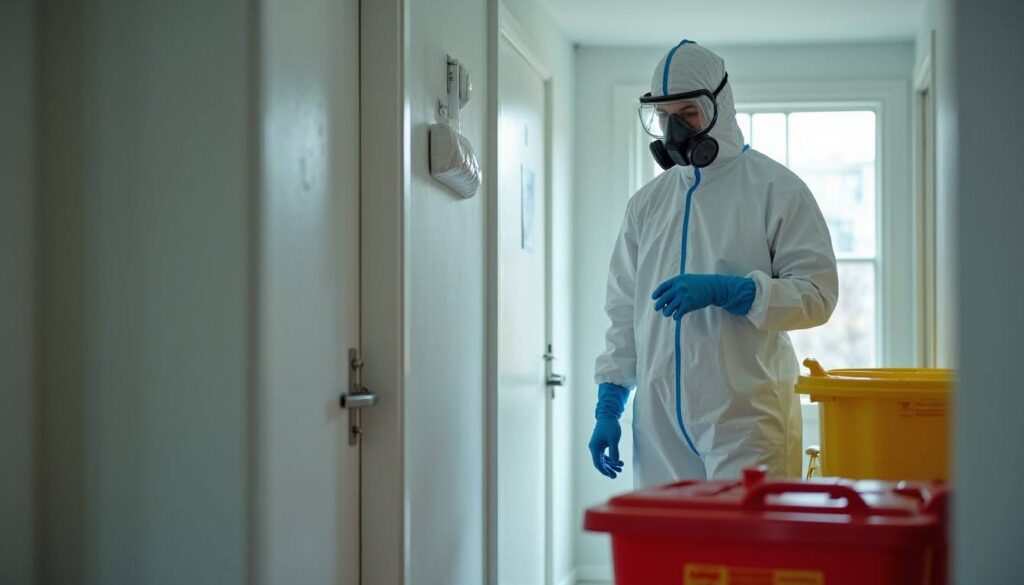
When dealing with biohazard scenarios, selecting the right personal protective equipment (PPE) is crucial for your safety and effectiveness. Start with glove selection; disposable nitrile gloves are your best bet for puncture and chemical resistance, while double-gloving adds extra protection. For respiratory fit, N95 respirators are critical against aerosolized pathogens, but in high-risk environments, consider a half-mask or full-face respirator with HEPA filters. Guarantee all PPE fits properly to minimize exposure risks. Full-body disposable coveralls provide a barrier against hazardous materials, and don’t forget safety goggles or face shields for eye protection. Finally, use impermeable footwear and hair covers to prevent contamination. Always dispose of used PPE according to biohazard waste guidelines.
Legal and Safety Regulations
Maneuvering through the legal and safety regulations surrounding biohazard cleanup is essential to guarantee compliance and protect public health. You’ll need to adhere to OSHA standards for bloodborne pathogens and follow EPA regulations for waste disposal and storage. State and local governments may impose additional permits and oversight, ensuring that your operations align with broader environmental and safety protocols. Remember that biohazardous materials must be properly contained and labeled during transport, and documentation is vital for legal compliance. Failure to meet these regulations can result in severe penalties, including fines and criminal charges. Prioritizing safety protocols not only safeguards you but also the community, ensuring responsible handling and disposal of hazardous materials.
Professional Biohazard Cleanup Services
How can you guarantee that a space impacted by biohazardous materials is restored to safety? Professional biohazard cleanup services offer the expertise needed for effective biohazard restoration, especially in trauma scenes. These certified technicians assess the situation thoroughly, employing specialized equipment and containment methods to handle hazardous materials safely. They follow strict disinfection protocols to eliminate pathogens, ensuring that the environment is secure for re-entry. With a swift response time, these professionals mitigate risks quickly, minimizing disruptions and providing emotional support during difficult times. Compliance with safety regulations and respect for the sensitive nature of the situation further underscores their commitment to restoring safety and peace of mind for all involved.
Health Risks Associated With Improper Cleanup
Improper cleanup of biohazardous materials poses significant health risks that can affect not only those directly involved but also the broader community. You may face serious health effects from exposure to bloodborne pathogens, such as HIV and Hepatitis, which can linger on surfaces for days. The risk of bacterial infections, respiratory issues, and even neurological damage from chemical exposures increases without proper protocols. Furthermore, attempting DIY cleanup can lead to emotional trauma, as confronting these hazardous scenes can be overwhelming. Inadequate cleanup may also result in cross-contamination, spreading pathogens to unexposed areas and compromising community health. Recognizing these risks is vital for protecting yourself and others in the aftermath of a biohazard incident.
Importance of Certified Cleanup Professionals
When facing a biohazard situation, relying on certified cleanup professionals is essential for guaranteeing safety and compliance. These experts have undergone rigorous training and obtained necessary certifications like OSHA and HAZWOPER, which provide considerable certification benefits. Their cleanup expertise allows them to handle hazardous materials safely, adhering to strict guidelines while using specialized equipment and approved cleaning agents. This training guarantees they can effectively eliminate contamination, minimizing health risks. Additionally, certified professionals have the knowledge to implement safety plans, properly dispose of biohazardous waste, and maintain thorough documentation for legal accountability. By entrusting your cleanup to certified specialists, you greatly reduce liability risks and guarantee a thorough, compliant cleanup process.
Frequently Asked Questions
How Much Does Biohazard Cleanup Typically Cost?
Biohazard cleanup typically costs between $1,000 and $10,000, depending on various cost factors like contamination size, type, and necessary repairs. Emergency scenes might incur higher cleanup pricing due to rapid response and specialized handling needs.
Can Homeowners Perform Biohazard Cleanup Themselves?
You shouldn’t attempt DIY biohazard cleanup due to significant risks. Without proper training and equipment, you jeopardize safety regulations, potentially exposing yourself and others to harmful pathogens and legal liabilities. Professional help is essential.
How Long Does a Biohazard Cleanup Take?
Biohazard cleanup duration varies based on several factors, including contamination level and area size. Typically, small jobs take hours, while larger incidents may require days, emphasizing the importance of thoroughness and safety throughout the process.
What Happens to the Removed Biohazard Materials?
After biohazard disposal, you manage the waste through methods like autoclaving or incineration, ensuring proper packaging and labeling. This process minimizes risks, protects public health, and complies with regulations for safe waste management.
Are There Insurance Coverage Options for Biohazard Cleanup?
Yes, insurance policies may cover biohazard cleanup, but coverage limits vary. You should review your policy’s terms, contact your provider for specifics, and document incidents thoroughly to guarantee you maximize available coverage.


